Emerging Blockchain Trends: The Rise of Smart Contracts in 2024 Featured
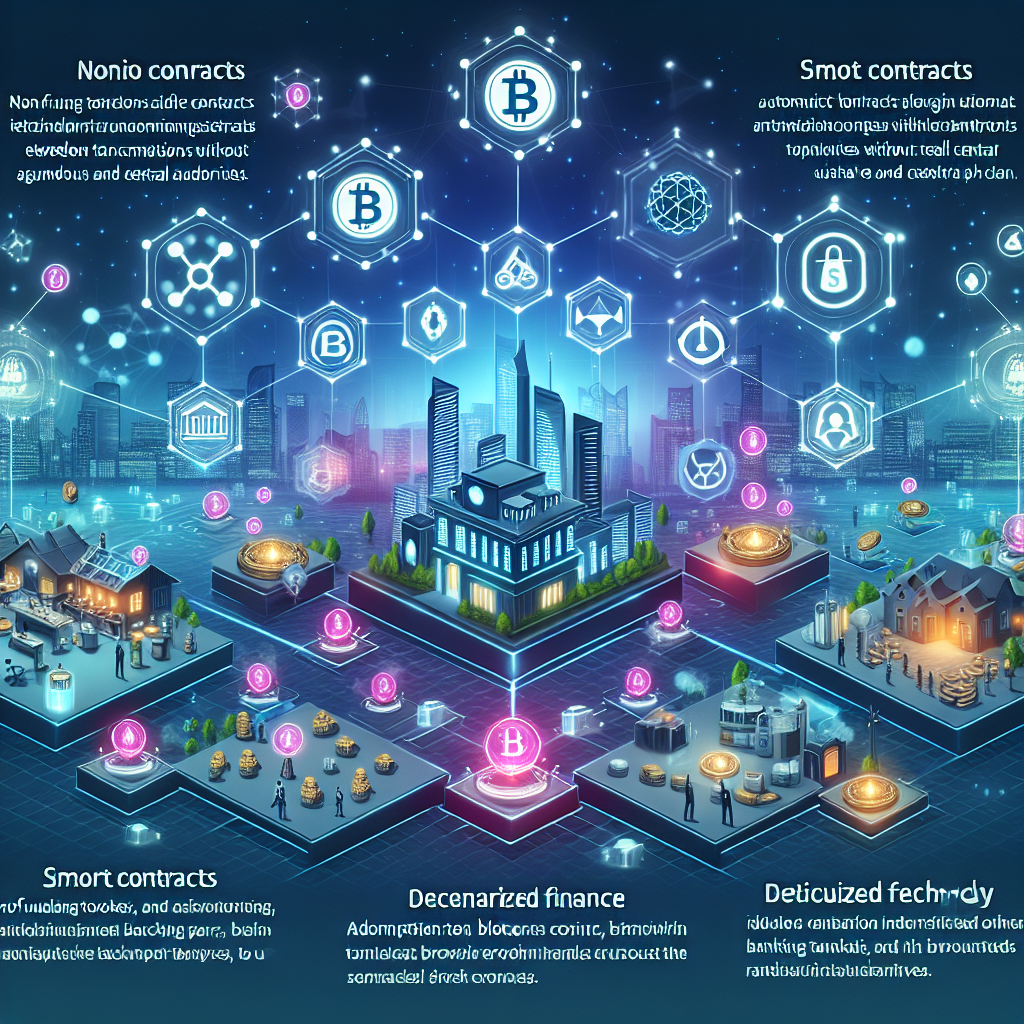 Discover the rising trend of smart contracts in blockchain, transforming industries with automated, transparent transactions.
The financial technology landscape is continuously evolving, and blockchain technology is at the forefront of this transformation. In recent days, a significant trend has taken shape with the emerging rise of smart contracts as a pivotal force in the blockchain ecosystem.
Smart contracts, self-executing contracts with the terms of the agreement directly written into code, are revolutionizing the way transactions are made in decentralized finance (DeFi). These automated contracts facilitate trusted transactions and agreements to be carried out among disparate, anonymous parties without a central authority. The implications of this development are profound.
A notable case from the industry highlighting the potential of smart contracts is their implementation in the insurance sector. Companies are leveraging the transparency and efficiency of blockchain to automate claim processes, significantly reducing wait times and administrative costs. This innovation provides not only operational efficiency but also enhances customer trust and satisfaction.
The momentum behind smart contracts is driven in part by the rise of non-fungible tokens (NFTs) and the need for more scalable DeFi solutions. The compatibility of smart contracts with multiple blockchain networks, such as Ethereum and Binance Smart Chain, has amplified their adoption. This makes them an ideal tool for industries ranging from real estate to supply chain management.
In light of recent regulatory changes and increased scrutiny over blockchain transactions, transparency, and security offered by smart contracts are crucial. Financial institutions are increasingly investing in blockchain infrastructure to ensure compliance while reaping the benefits of decentralized operations.
Another significant advantage of smart contracts lies in their potential to disrupt the traditional banking sector. By providing faster and more cost-effective solutions, they empower businesses and consumers alike to engage in transactions without the usual banking delays and fees. This disruption is in line with blockchain’s core ethos of democratizing access to financial resources.
The continuing advancements in blockchain technology fuel the optimism among investors and industry stakeholders. As we progress through the year, the integration of artificial intelligence with smart contracts is anticipated to create newer efficiencies and innovations in fintech solutions.
In summary, the rise of smart contracts confirms blockchain’s growing influence on fintech. Businesses and individuals keen on leveraging this technology should watch closely as the industry unfolds and shapes the future of decentralized commerce.
